Carrier Billing Opens Doors to Effortless Bingo Room Transitions for Live Game Access and Reward Opportunities
Olivia Neumann · Jul 28, 2026
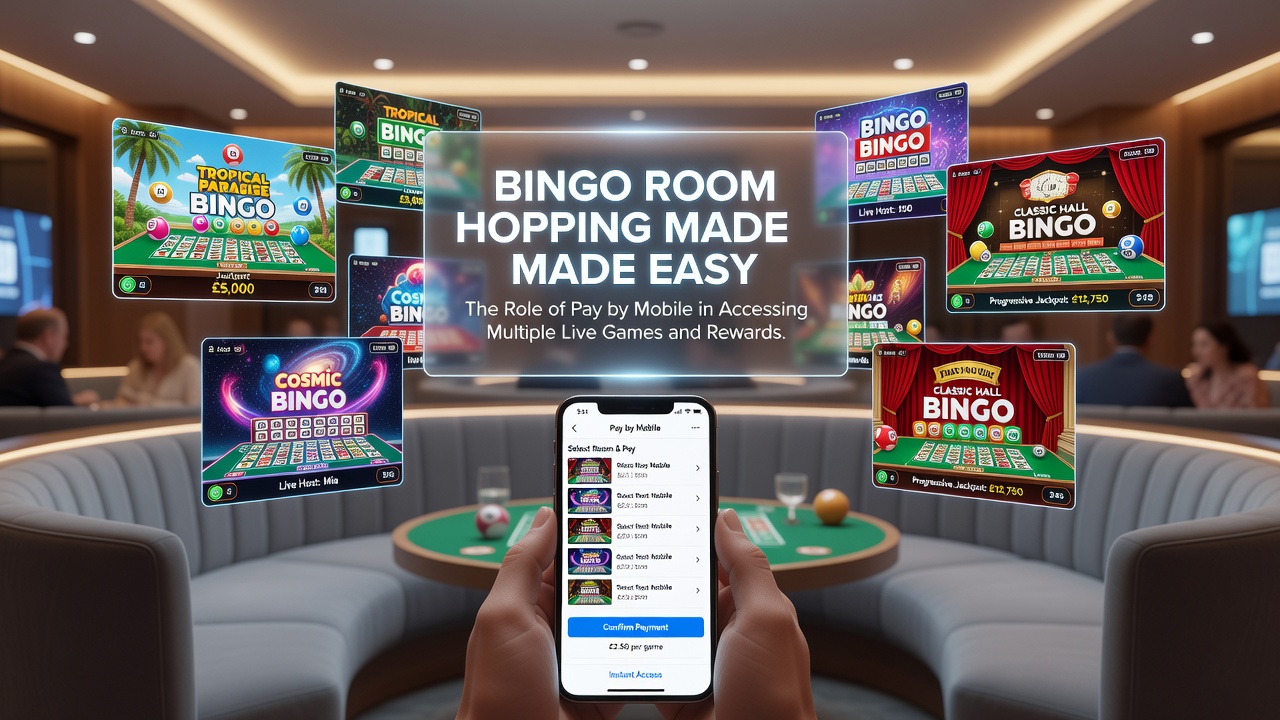
Carrier Billing Opens Doors to Effortless Bingo Room Transitions for Live Game Access and Reward Opportunities
Players across the United Kingdom have adopted carrier billing as a method that processes deposits directly through mobile phone accounts and this approach removes several steps traditionally required for funding bingo accounts while enabling rapid movement between different live rooms. Data from industry tracking services shows that transactions completed via carrier billing often finalize in under thirty seconds which supports the kind of quick switches participants seek when chasing varied game formats and accumulating bonuses from multiple operators. In July 2026 several platforms reported higher volumes of room transitions during evening peak hours and observers attribute part of this pattern to the frictionless nature of phone-based payments that do not require separate banking logins or card verifications.
How Carrier Billing Supports Multiple Room Access
Live bingo environments operate on synchronized draw schedules that run simultaneously across numerous digital halls and participants who rely on carrier billing can enter a new lobby without pausing to complete additional financial steps because the charge appears on their next mobile statement. This structure allows individuals to sample progressive jackpots in one venue then shift to themed penny games in another while any active promotions remain tracked through the central account system. Research conducted by the International Gaming Institute at the University of Nevada Las Vegas indicates that payment speed correlates directly with the number of rooms visited per session and operators have adjusted their interfaces to display room availability alongside real-time balance updates funded through mobile carriers.
Live Game Variety and Reward Accumulation
Each bingo room maintains its own schedule of 75-ball and 90-ball variants along with side games that award instant prizes and loyalty points. When deposits route through carrier billing the funds become available across connected platforms almost immediately which means a player finishing a session in one hall can join a fresh draw elsewhere without waiting for external processors. Figures released by the Canadian Gaming Association reveal that accounts using mobile billing methods recorded an average of 3.2 room visits per active hour during the first half of 2026 compared with 1.8 visits for accounts relying on traditional cards. Rewards such as cashback percentages and free game tickets often stack when participants move between partnered sites and the billing method records each transaction under a single line item on the phone bill which simplifies tracking for users who monitor spending across several operators.
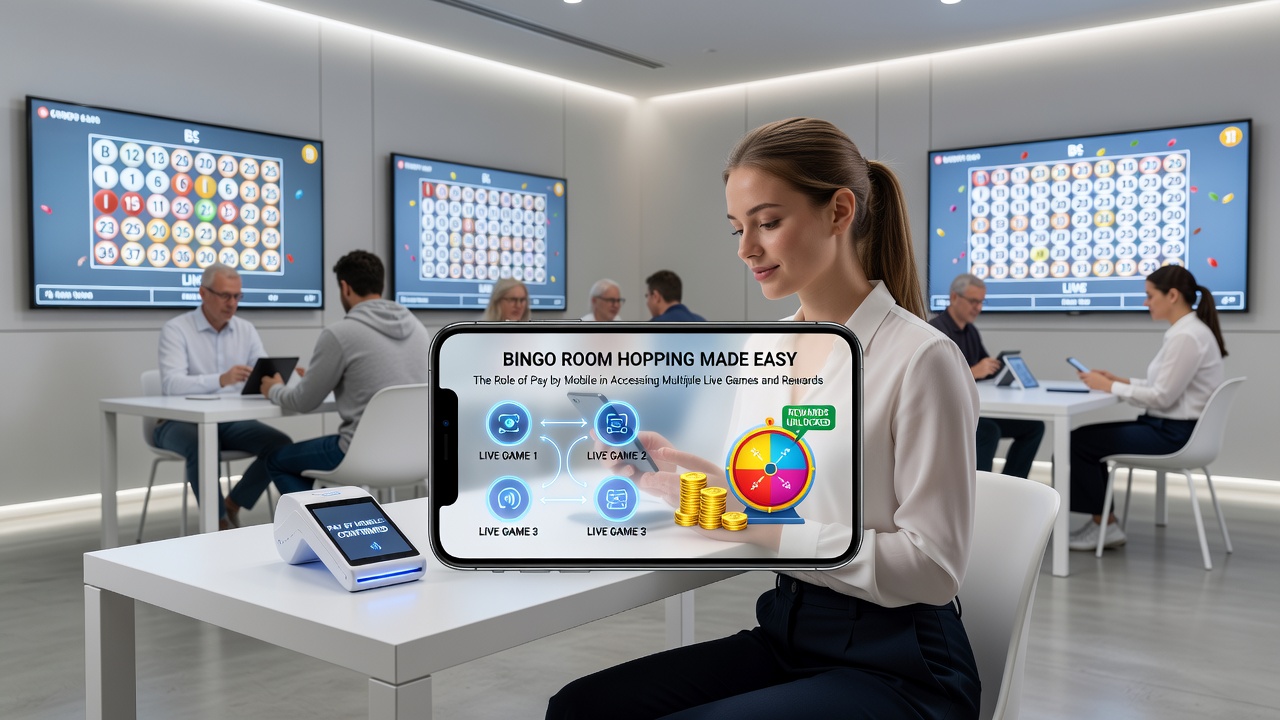
Platform Integration and Session Continuity
White-label networks that power numerous bingo brands have integrated carrier billing gateways so that a single phone verification grants entry to several lobbies under the same parent system. Players therefore maintain one balance that updates across all rooms they visit and any winnings from one draw can fund entry into the next without additional transfers. According to a 2025 report prepared by the New Zealand Department of Internal Affairs the adoption of carrier billing in remote gambling markets rose by twenty-seven percent year-over-year with bingo operators noting particular strength in markets where users value session continuity over separate account management. This integration also supports promotional cascades where completing a certain number of games in different rooms unlocks tiered bonuses that appear automatically once the activity threshold is met.
Practical Considerations for Participants
Users must ensure their mobile provider participates in the billing program before attempting deposits yet most major UK networks have offered the service for several years. Daily and monthly spending limits set by the carrier apply automatically which provides a built-in control mechanism while still allowing movement between rooms within those parameters. Technical support teams at participating bingo sites maintain dedicated lines for payment queries and data indicates that resolution times for carrier-related issues average under four minutes when the query reaches the correct department. Observers note that the combination of instant funding and cross-room compatibility has encouraged longer overall play periods without increasing average spend per hour because participants spread activity across varied game types rather than remaining in a single lobby.
Conclusion
Carrier billing continues to serve as a practical bridge between separate live bingo environments by removing traditional payment delays and enabling participants to explore multiple rooms while rewards accumulate across sessions. The method aligns with existing mobile habits and integrates cleanly with the fast-paced draw schedules that define contemporary online bingo operations. As platforms expand their network partnerships the role of phone-based deposits in supporting fluid room transitions appears likely to grow based on usage patterns recorded through mid-2026.