UK Bingo Operators Refine Payment Systems to Match Live Session Pacing
Olivia Neumann · Aug 4, 2026
UK Bingo Operators Refine Payment Systems to Match Live Session Pacing
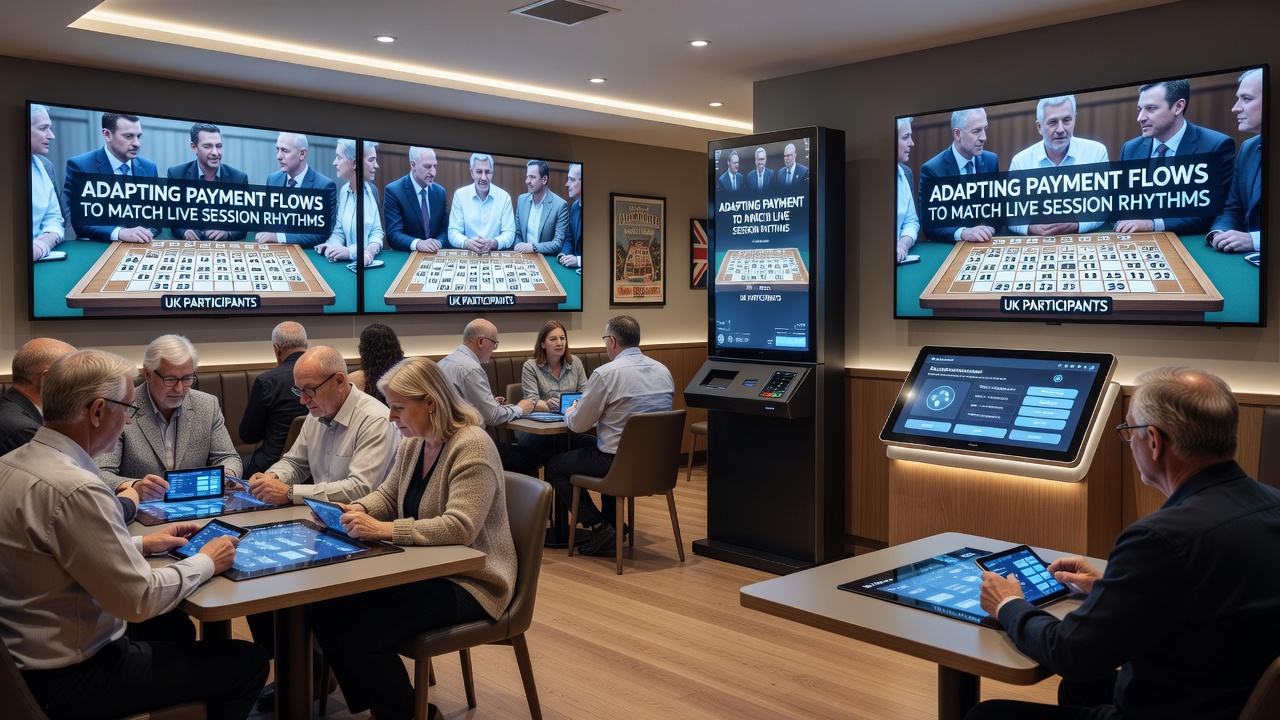
UK bingo venues have started integrating payment adjustments that keep pace with the timing of live number calls and session transitions, allowing participants to deposit or withdraw funds during active rounds without interruption. These changes focus on real-time processing capabilities that align with the rhythm of games where numbers appear every few seconds and rooms shift between multiple lobbies throughout an evening.
Data from industry reports shows that sessions in larger halls often run in cycles of twenty to thirty minutes, with players moving between games that feature different prize structures and entry requirements. Payment providers have responded by embedding options such as carrier billing and instant account transfers that complete within the same window as a single game round, which reduces the need for participants to pause their involvement.
Session Timing and Payment Integration
Live bingo in the UK typically follows a structured flow where callers announce numbers at consistent intervals while chat features and side games run alongside the main draw. Observers note that payment flows now incorporate triggers tied directly to these intervals, enabling users to top up balances mid-call if a larger prize game opens unexpectedly. This approach draws from patterns identified in venue usage data collected during peak evening hours across multiple regions.
One study conducted by the Australian Gambling Research Centre examined similar live-play environments and found that seamless payment timing correlates with higher retention rates during extended sessions. Their analysis covered thousands of participant interactions where delays in funding led to dropped engagement, prompting operators elsewhere to test synchronized systems that mirror call speeds.
Technical Adjustments in UK Venues
Venues have adopted backend updates that connect payment gateways to the same software managing game progression, so deposits register before the next number is drawn. This setup supports features like auto-join prompts that activate when a player’s balance drops below the required stake for an ongoing session. Figures from operator logs indicate processing times have shortened to under ten seconds in many cases, matching the average gap between consecutive calls.
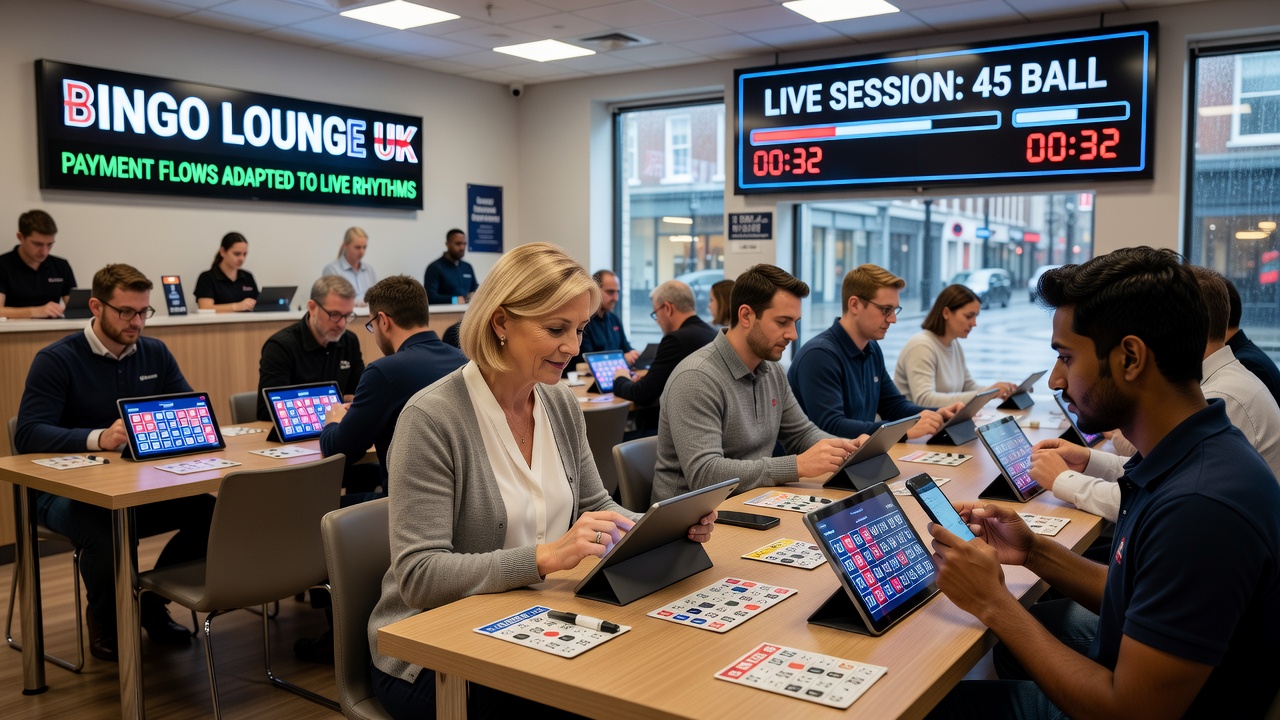
August 2026 saw several chains pilot these synchronized flows across northern England locations, where high-density live rooms operate multiple overlapping games. Participants in those tests reported fewer interruptions when switching from one lobby to another, as the payment layer handled transitions automatically based on session metadata rather than separate user actions.
Participant Behavior and Flow Patterns
Research indicates that UK players often participate in bursts tied to specific game types, such as national jackpots or themed evening events, which demand quick funding decisions. Payment adaptations now include predictive elements that pre-authorize small amounts based on historical session data, allowing instant access when a new round begins. Those who’ve tracked usage patterns observe that this reduces friction during the critical first few minutes of a live draw.
Industry organizations like the National Council on Problem Gambling have published findings on timing-related engagement across different jurisdictions, highlighting how aligned payment mechanisms can support steadier participation without extending session lengths unnecessarily. Their data draws from North American and international comparisons that operators reference when refining UK-specific implementations.
Regulatory and Infrastructure Context
Payment providers working with bingo platforms have updated their APIs to accommodate live data feeds from game servers, ensuring compliance with timing standards set by venue management systems. This technical layer operates behind the scenes while participants experience only the result: funds appear available exactly when a session rhythm shifts to a new prize tier or room. Observers note continued testing through late summer 2026 as more sites adopt the model.
Conclusion
UK bingo lounges continue to evolve payment structures around the inherent timing of live sessions, connecting financial flows directly to game mechanics and participant movement between rooms. These adjustments reflect broader data on session dynamics and processing speeds, with ongoing refinements expected as venues monitor outcomes from recent pilots. The focus remains on maintaining continuity during active play periods across the country.